
Prolonged sitting is one of the most common lifestyle patterns in modern work environments. Breaking that pattern with short movement bursts — even two minutes every hour — supports circulation, joint comfort, and mental clarity without requiring equipment or a change of clothes.
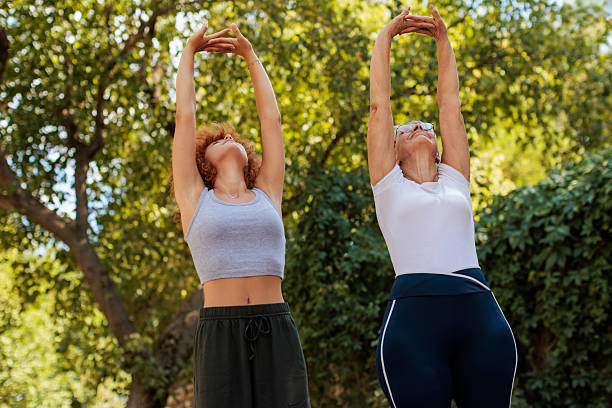
The World Health Organisation recommends at least 150 minutes of moderate activity per week for adults. That target is reachable through accumulated short sessions rather than a single daily workout. Research in the British Journal of Sports Medicine shows that activity spread across the day reduces sedentary time more effectively than one concentrated exercise block followed by hours of sitting.
Think of movement as punctuation in your daily sentence — a walk after breakfast, squats during a phone call, shoulder rolls between emails. Each burst resets posture, engages large muscle groups, and provides a cognitive break that can improve focus when you return to your task.

Perform each exercise for 30 to 45 seconds, rest 15 seconds, and complete two rounds. Total time: under ten minutes.
Some people find a short walk after lunch helpful for afternoon focus. Fresh air, leg movement, and a change of scenery may support attention in ways that prolonged sitting does not — results vary by person.
Christchurch alone offers Hagley Park, the Port Hills tracks, and the Avon River pathway — all accessible for free. Even a loop around your neighbourhood counts. Aim for a brisk pace where you can talk but not sing.
Some research suggests a gentle walk after meals may support post-meal comfort for some people. A 10 to 15 minute stroll at an easy pace is a simple option — always choose what feels appropriate for you.
Warm up with two minutes of marching or gentle joint circles before more intense bodyweight exercises.
Drink water before and after movement sessions, especially during New Zealand summer months when dehydration risk increases.
Choose well-lit, even-surface paths for evening walks. Reflective clothing improves visibility during shorter winter days.
Stop exercising if you feel dizzy, sharp joint pain, or unusual shortness of breath. Rest and resume at a lower intensity next time.
Set a reminder every 50 to 60 minutes to stand, stretch, or walk for at least two minutes. This frequency aligns with ergonomic guidelines from occupational health organisations and significantly reduces stiffness over an eight-hour shift.
Walking meets cardiovascular activity guidelines for many adults, especially at a brisk pace for 30 or more minutes daily. Adding bodyweight strength exercises twice weekly provides a more complete routine by engaging upper body and core muscles.
Indoor alternatives include marching in place, stair climbing, following a free bodyweight video, or walking laps through a covered shopping area. Movement does not require perfect weather — it requires a decision to start.